6 Eucalyptus Cultivation Tracker
The Eucalyptus Cultivation Tracker is a specialized digital query tool tailored for eucalyptus research and forestry applications, comprising two core functional modules: Eucalyptus site and Eucalyptus site China. These two modules respectively provide critical digital technical support for global eucalyptus ecological research and regional forestry planning in China.
6.1 Eucalyptus site
focuses on global eucalyptus species, visually presenting the transnational planting distribution of different eucalyptus groups through a world map (e.g., Corymbia citriodora distributed in Australia, China, and other regions). It provides multi-dimensional data including growth habits, research progress, altitude adaptability, and morphological images, supporting species name retrieval and selection from a built-in species list (e.g., Angophora floribunda, Corymbia calophylla). This module delivers standardized data support for global eucalyptus resource research.
6.1.1 Operation Demonstration
- Mode One Full Retrieval Mode Operation
- Mode Tow Directed Screening Mode Operation Based on Preset Species List
- Mode Three Full-Selection Retrieval Operation of National Eucalyptus Species Information (Supplementary to the Second Method)
6.1.1.1 Retrieval Mode Operation
Users enter the scientific name of the target eucalyptus species in the search box.
For example, enter Eucalyptus camaldulensis and click the search button to trigger the query.
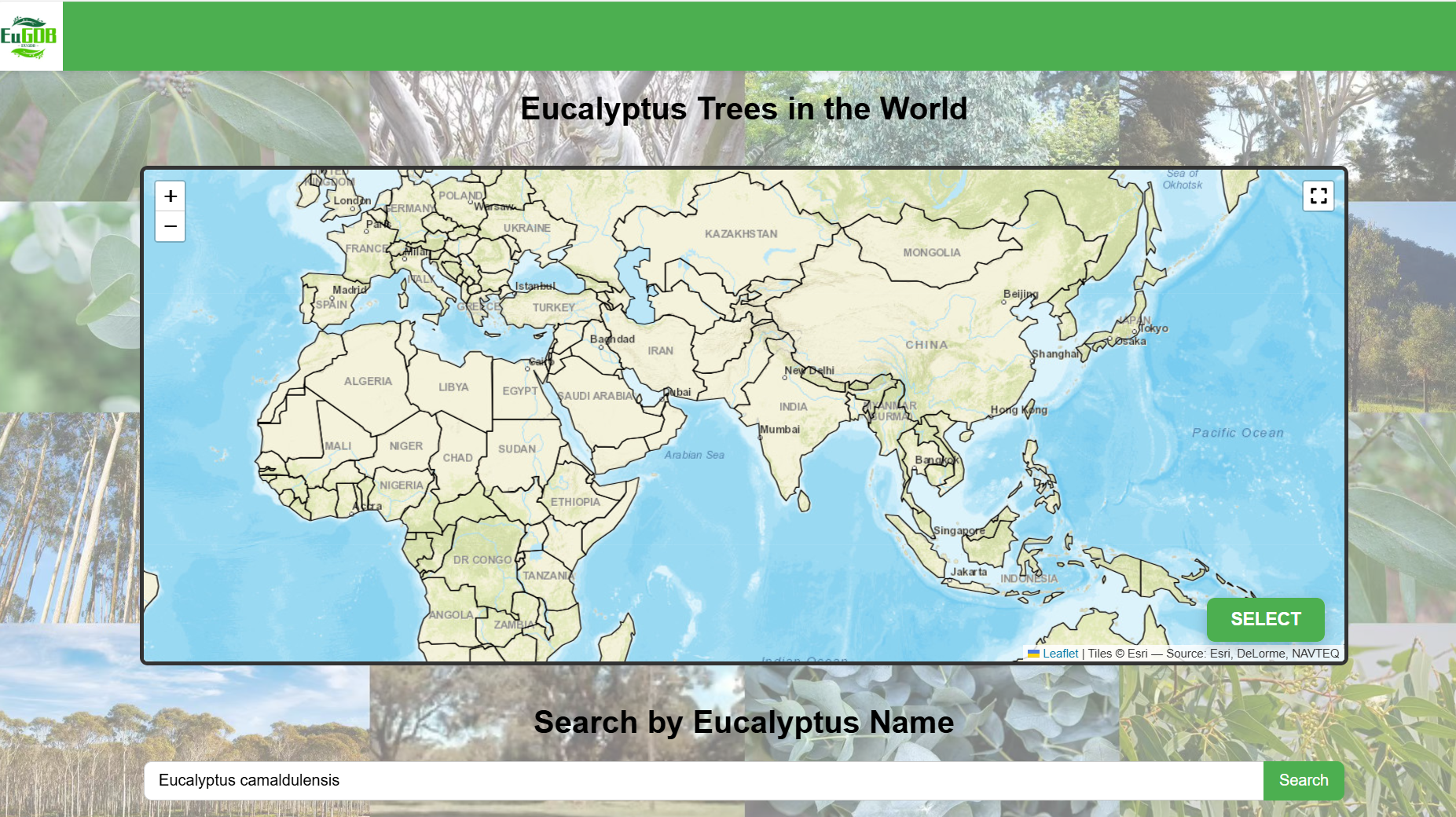
Figure 6.1: Screenshot of retrieval mode operation for Eucalyptus Cultivation Tracker
6.1.1.2 Directed Screening Mode Operation Based on Preset Species List
Directly check the target species in the species list on the tool page. The system then intuitively displays the global planting countries of the species through an interactive world map.
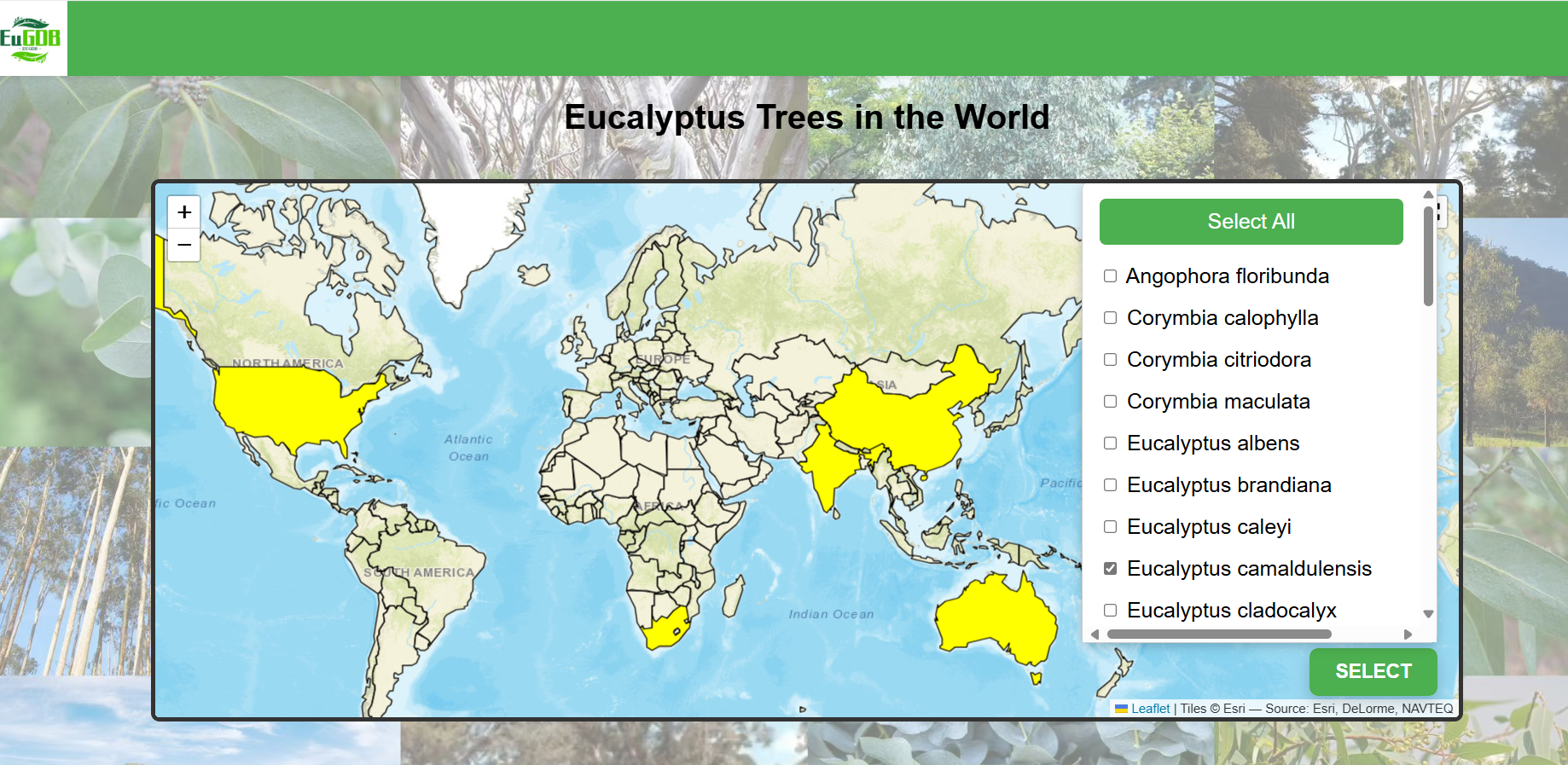
Figure 6.2: Screenshot of directed screening mode operation for Eucalyptus Cultivation Tracker
Click the target country (e.g., the United States) on the map to further jump to the exclusive page, focusing on academic information such as its global growth habits, research achievements, altitude data, and physical images.
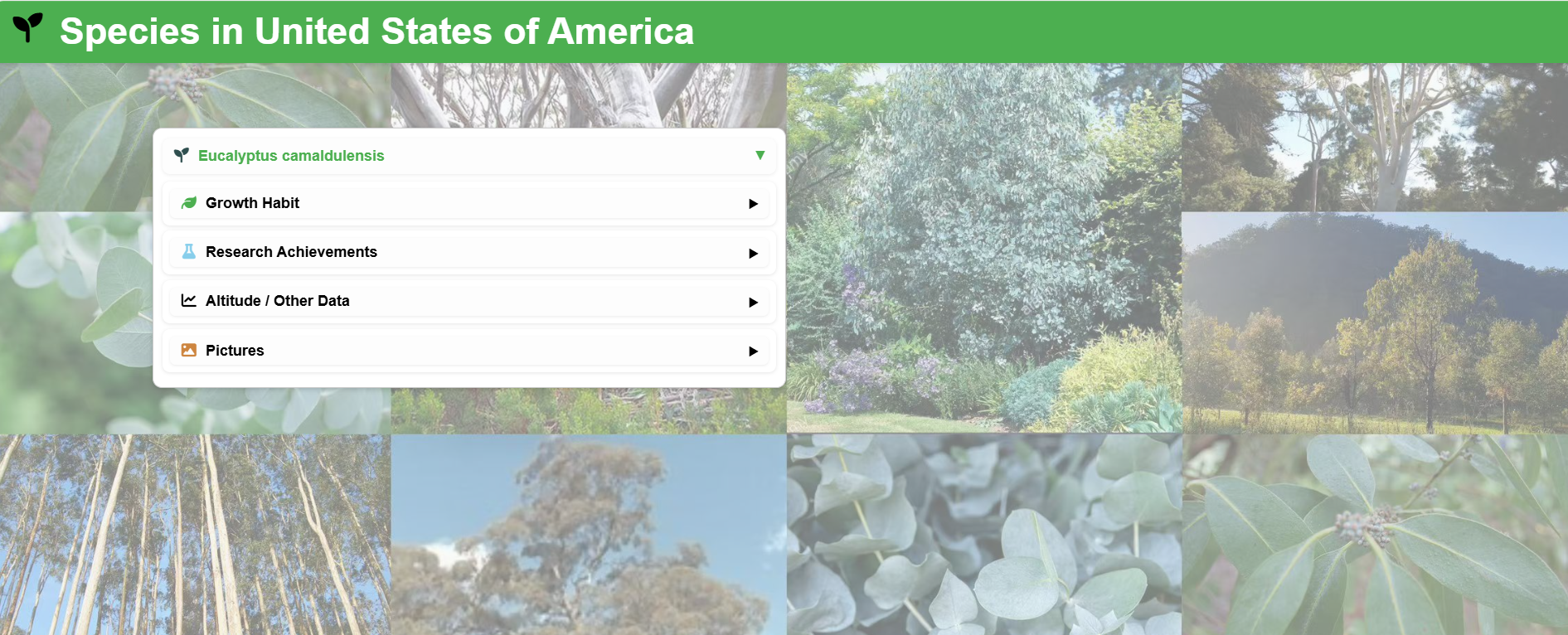
Figure 6.3: Screenshot of country-specific detail jump for Eucalyptus Cultivation Tracker
6.1.1.3 Full-Selection Retrieval Operation of National Eucalyptus Species Information
In the species list area of the tool page, click the "Select All" button to check all preset species at once. The system then intuitively displays the global planting countries of the species through an interactive world map.
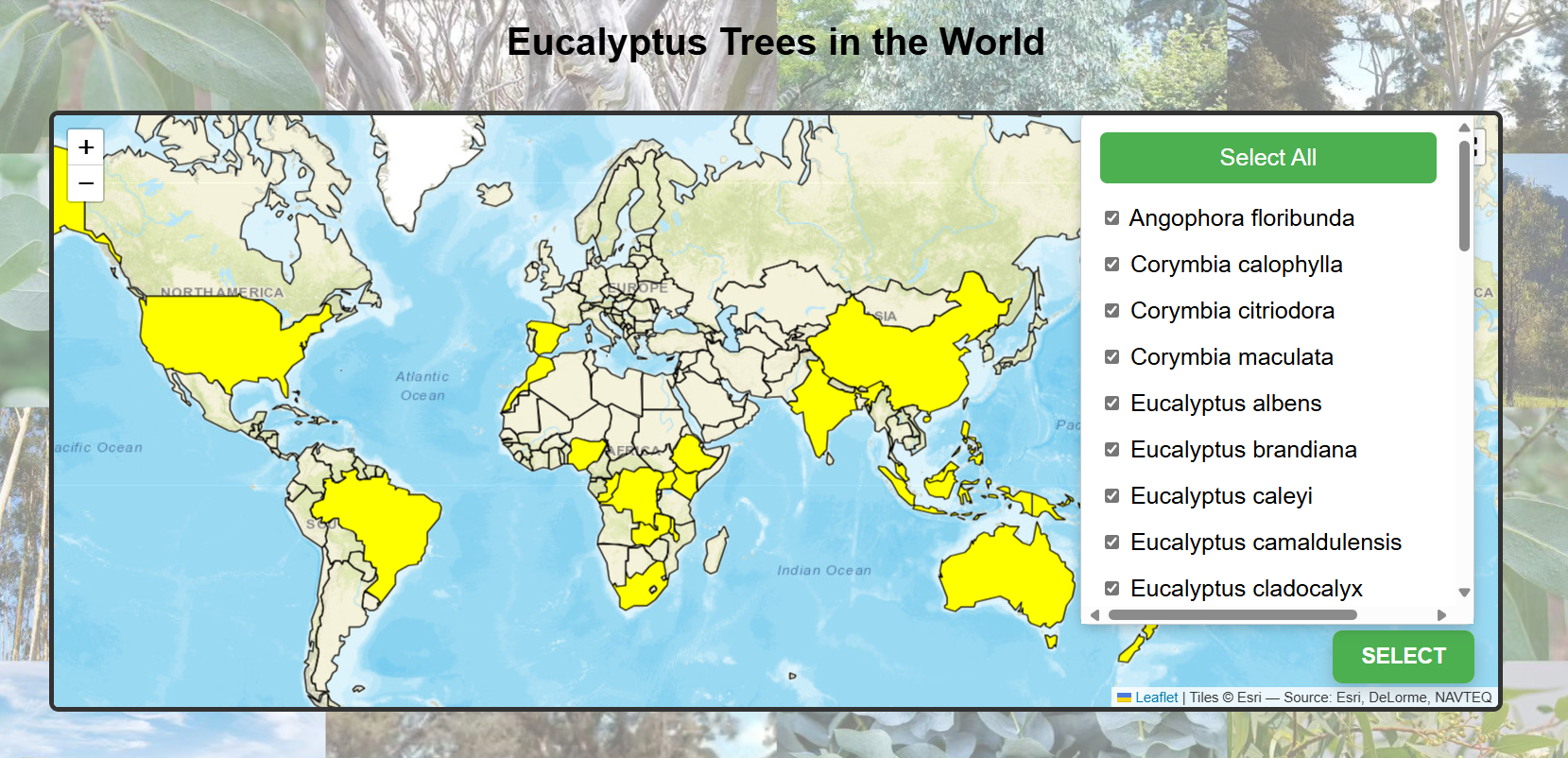
Figure 6.4: Screenshot of full-selection retrieval operation for Eucalyptus Cultivation Tracker
In the interactive world map, find and click the target country. The system automatically jumps to the country's exclusive page, showing all eucalyptus species planted within its territory. Users can further view detailed content such as the growth habits, research achievements, altitude data, and physical images of each species.
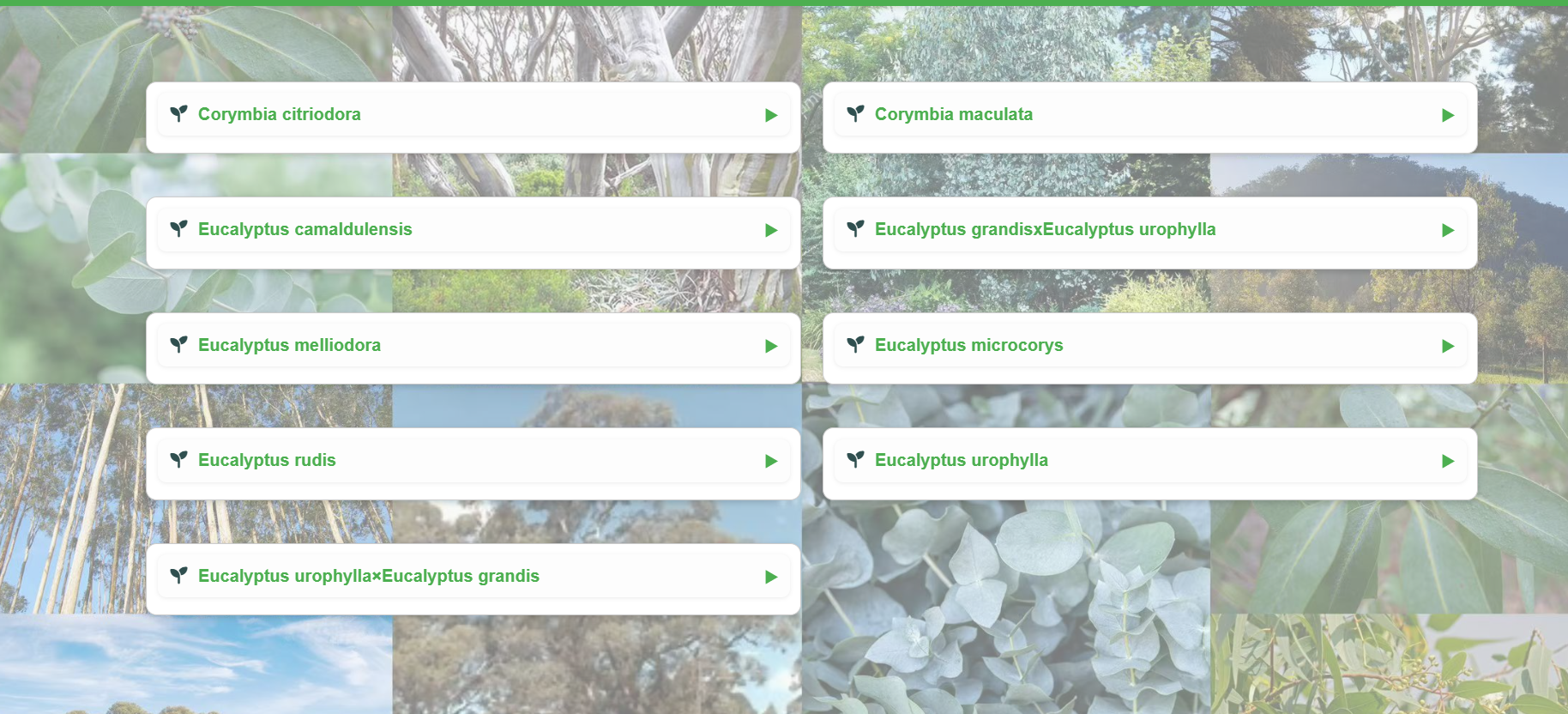
Figure 6.5: Screenshot of national species information display for Eucalyptus Cultivation Tracker
6.1.2 Result Interpretation
6.1.2.1 Species Distribution Information
The first screen uses an interactive world map as the carrier to intuitively mark the global planting countries of the species (e.g., the distribution countries of Eucalyptus camaldulensis include Australia, China, Brazil, etc.). The map supports zooming and regional clicking.
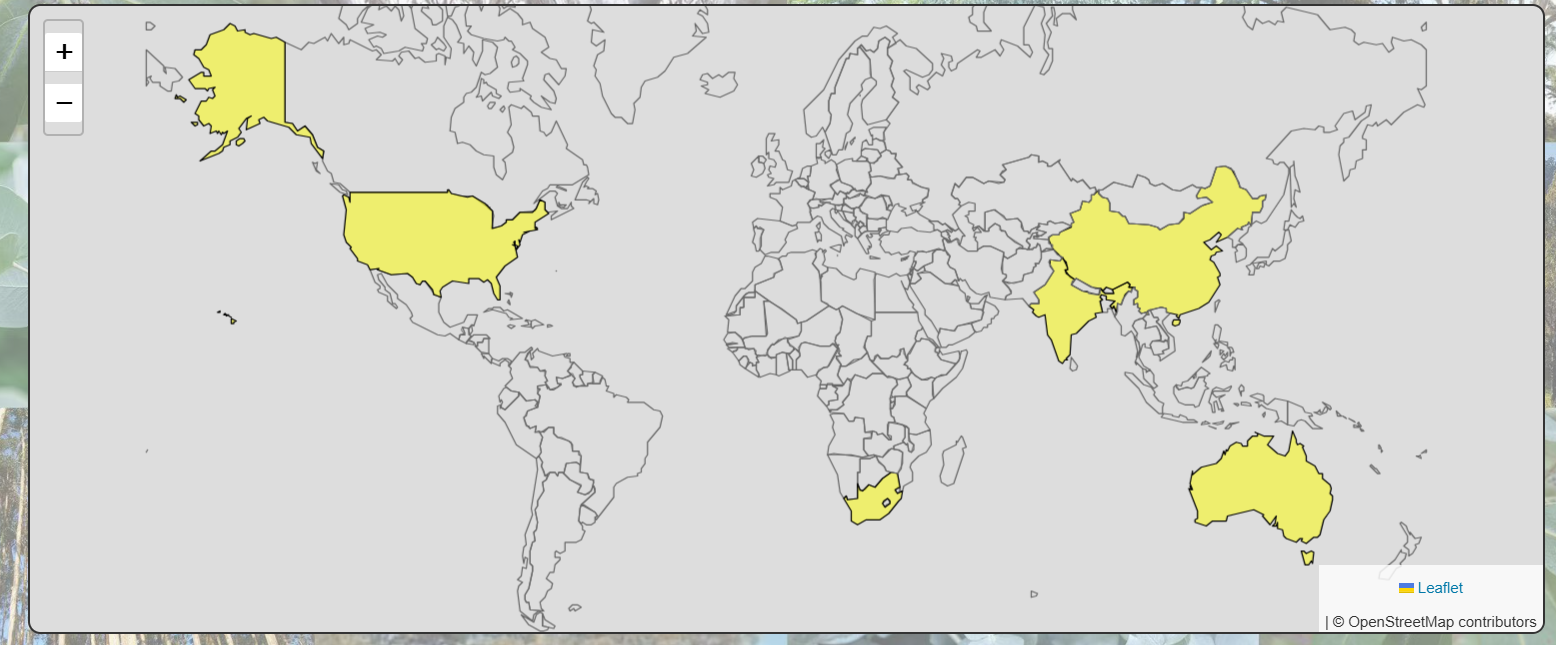
Figure 6.6: Screenshot of global species distribution information for Eucalyptus Cultivation Tracker
6.1.2.2 Species Characteristic Information
Including ecological adaptability characteristics such as suitable climate types (tropical to subtropical), soil preferences (fertile, moist, and well-drained sandy loam), and stress resistance (tolerant to mild frost and short-term low temperatures of -5°C).
Literatures (e.g., DOI:10.3389/fpls.2024.1330564) cover genomic breakthroughs and cultivation innovations, serving as authoritative planting evidence.

Figure 6.7: Screenshot of research achievements display for Eucalyptus Cultivation Tracker
Including biological and ecological parameters such as typical plant height (15-25m), flowering period (March to May every year), and altitude distribution range (0-600m).
Provide high-definition microscopic and macro real-shot images of key morphological characteristics such as leaves, bark, and inflorescences to assist in morphological identification.
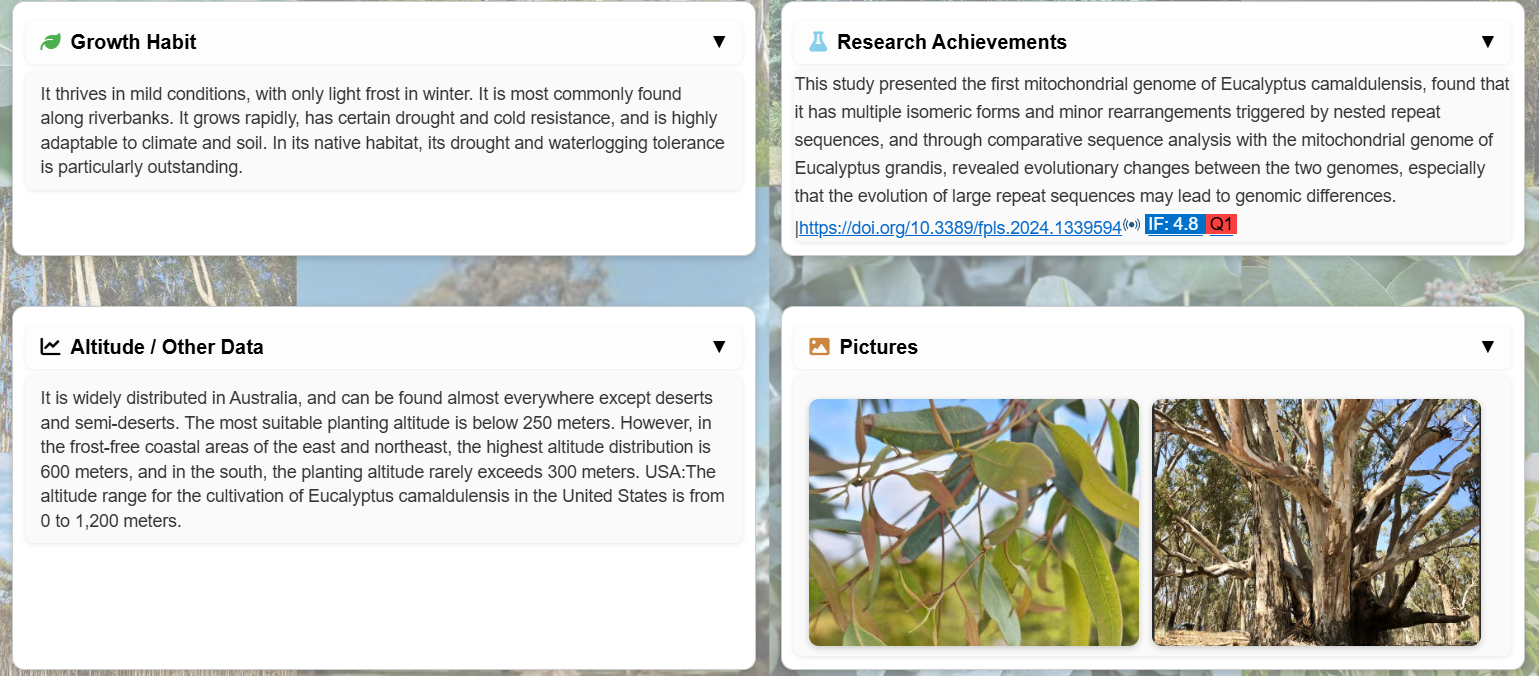
Figure 6.8: Screenshot of morphological feature images for Eucalyptus Cultivation Tracker
6.2 Eucalyptus site China
emphasizes China-specific eucalyptus resources, realizing visual visualization of eucalyptus group distributions within China based on a Chinese map. It integrates regionalized data such as species introduction history, region-specific growth characteristics, and morphological images, enabling users to locate species distributions in China via species names or select target groups from the species list. This facilitates access to planting patterns and growth dynamic data across Chinese provinces and regions.
6.2.1 Operation Demonstration
- Mode One Full Retrieval Mode Operation
- Mode Tow Directed Screening Mode Operation Based on Preset Species List
6.2.1.1 Retrieval Mode Operation
Users enter the scientific name of the target eucalyptus species in the search box.
For example, enter Eucalyptus camaldulensis and click the search button to trigger the query.
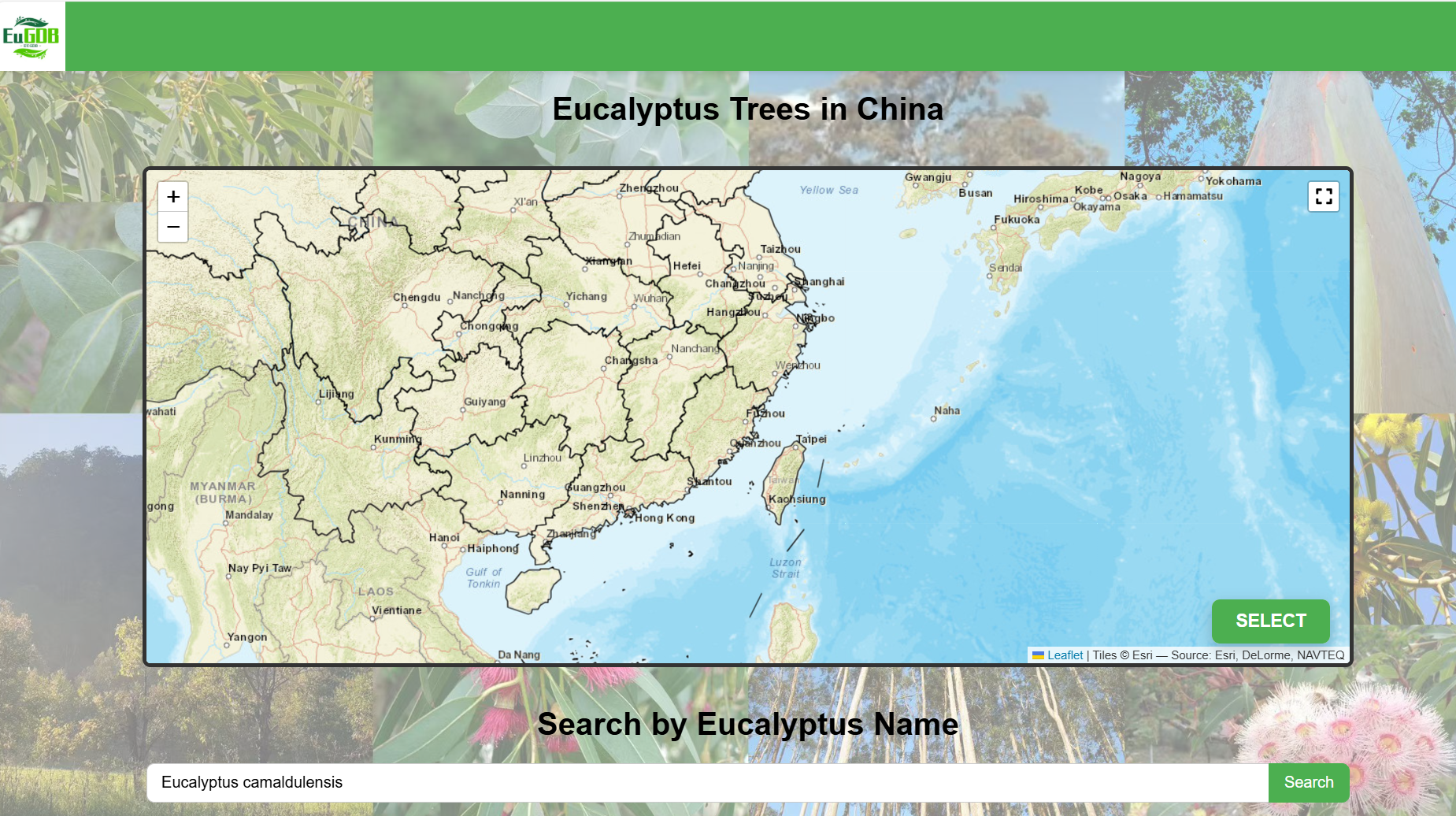
Figure 6.9: Screenshot of retrieval mode operation for Eucalyptus site China
6.2.1.2 Directed Screening Mode Operation Based on Preset Species List
Directly check the target species in the species list on the tool page. The system then intuitively displays the planting provinces of the species in China through an interactive Chinese map.
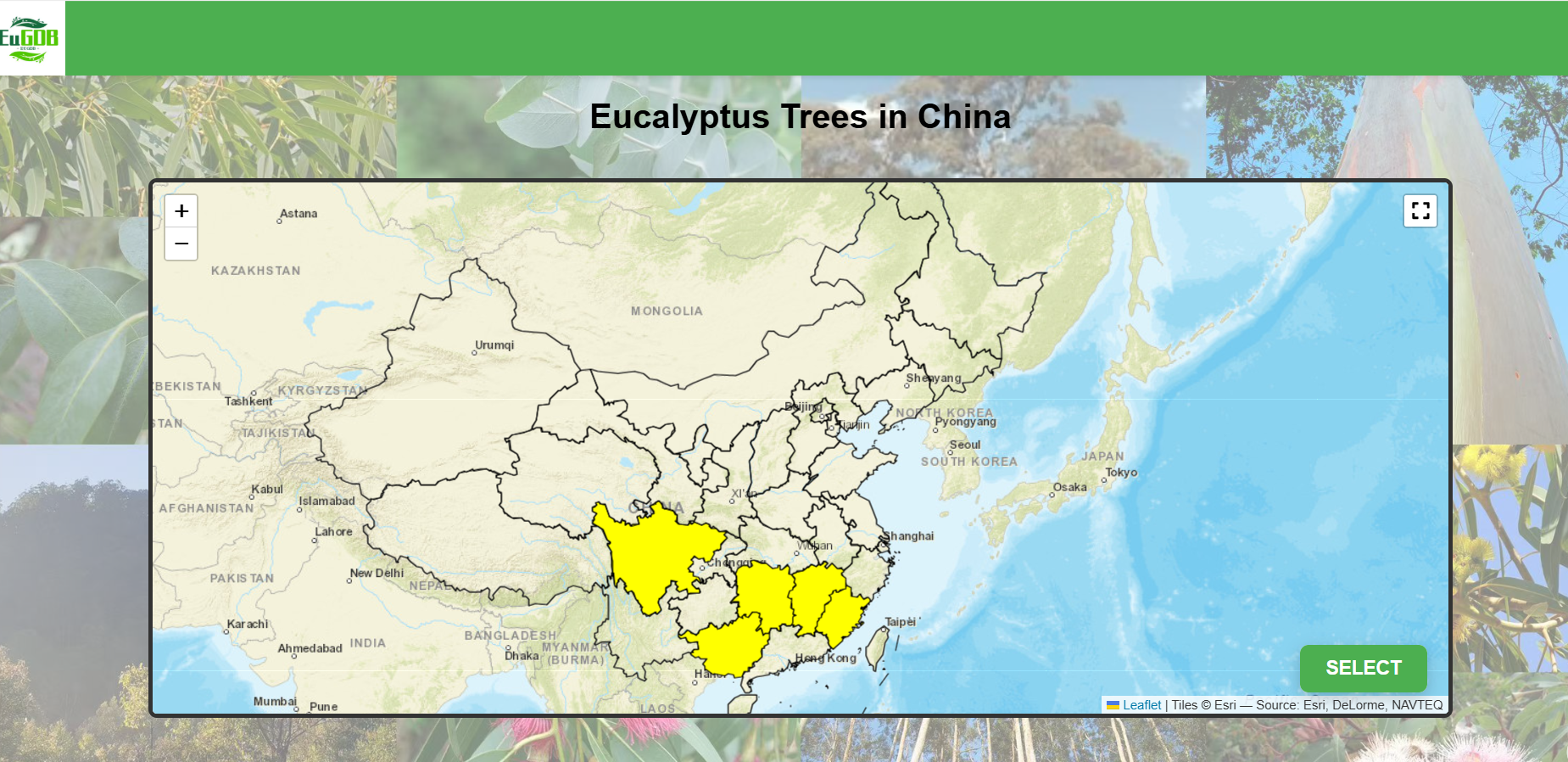
Figure 6.10: Screenshot of directed screening mode operation for Eucalyptus site China
Click the target province (e.g., Sichuan) on the map to further jump to the exclusive page of the province, which shows detailed academic information such as the species introduction history, regional growth characteristics, and physical images of the species in the province, realizing precise information level penetration from "national distribution" to "provincial-scale species characteristics."
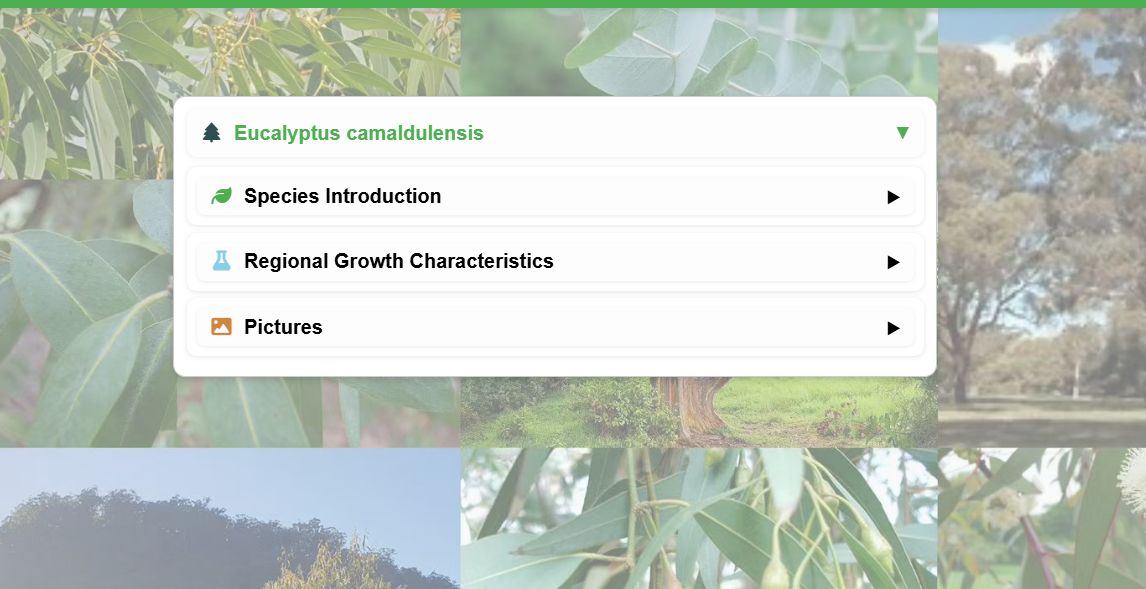
Figure 6.11: Screenshot of province-specific detail jump for Eucalyptus site China
6.2.2 Result Interpretation
6.2.2.1 Species Distribution Information
Using an interactive Chinese map as the carrier, it intuitively marks the domestic planting provinces and autonomous regions of the target eucalyptus species (e.g., Eucalyptus camaldulensis is distributed in Guangxi, Fujian, Jiangxi, Hunan, Sichuan and other provinces and autonomous regions). The map supports zooming and regional clicking.
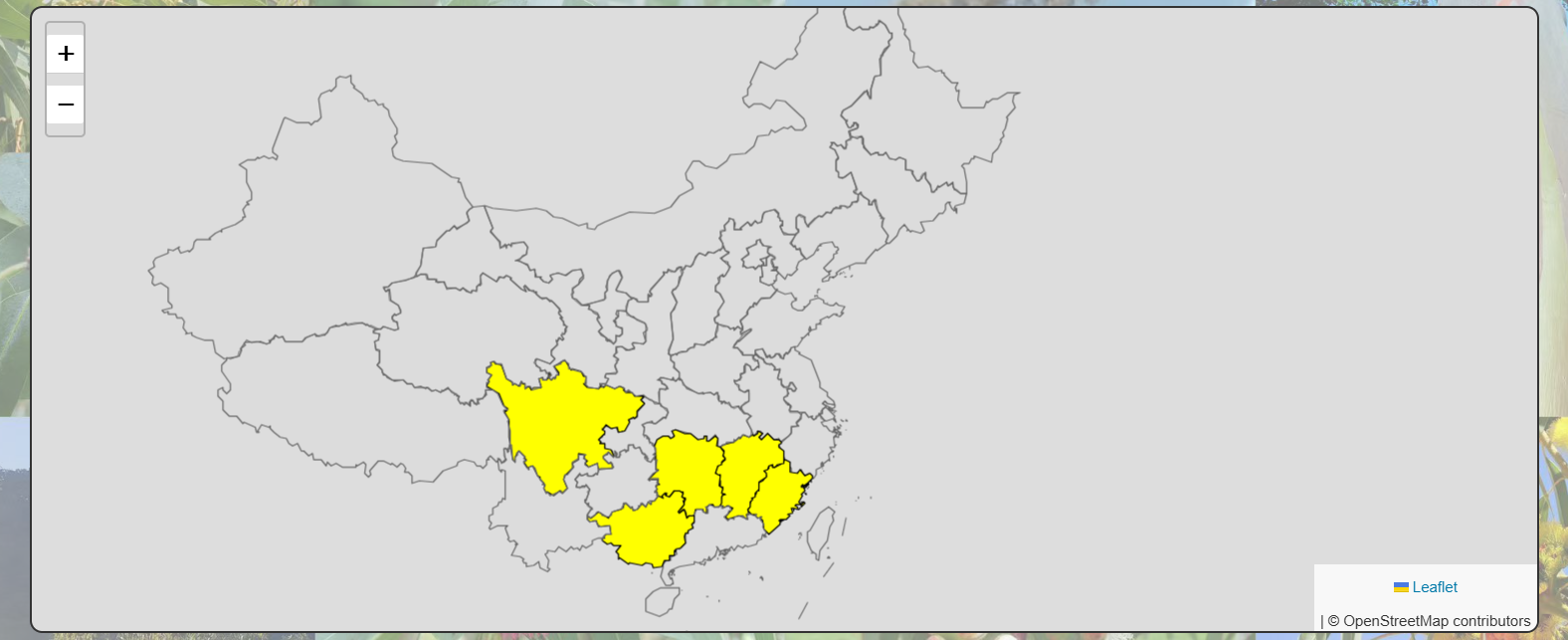
Figure 6.12: Screenshot of domestic species distribution information for Eucalyptus site China
6.2.2.2 Species Characteristic Information
Became a major introduced eucalyptus species in Fujian in the 1950s–1960s; multiple introduction experiments and family introductions were carried out in the mid-1980s and 2001, with planting research conducted in many forest farms in Fujian.
Good adaptability in Nanping, Fujian, tolerant to low temperatures and drought; however, due to insufficient cold tolerance of some fast-growing eucalyptus species in northern Fujian, their introduction and cultivation are still in the exploration and promotion stage.
Narrow and long leaves with various colors; rough trunk texture, featuring the typical bark shedding characteristic of eucalyptus.
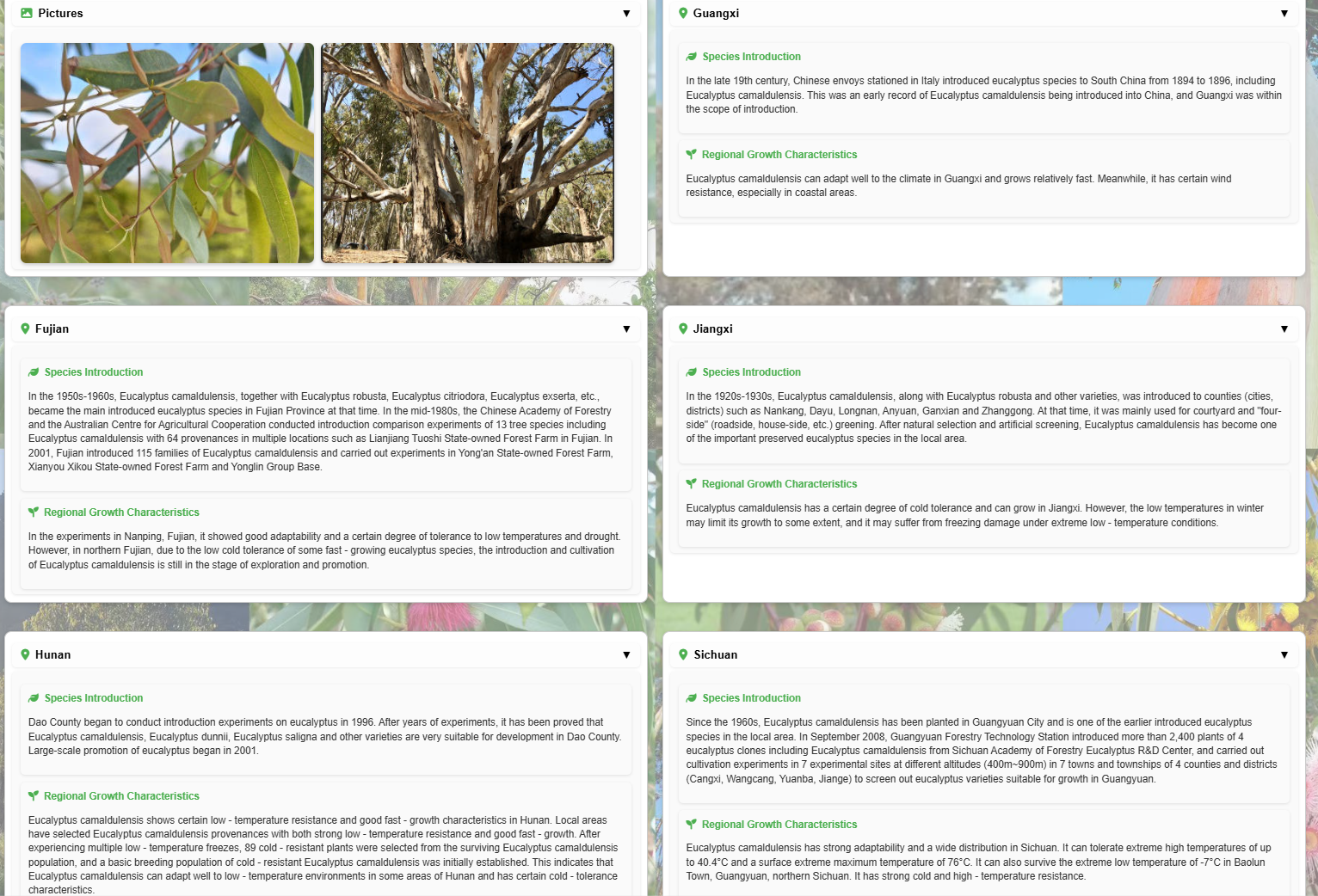
Figure 6.13: Screenshot of morphological feature images for Eucalyptus site China